What if we could detect a cancer before symptoms appeared?
Many cancers are easier to treat when they are found early, so catching them before symptoms seems like an obvious win. But screening healthy people is one of the trickiest problems in medicine. Every test that finds cancer early can also find things that were never going to cause harm.
⚠ This is a thought experiment. It explores a possibility; it does not report a result.
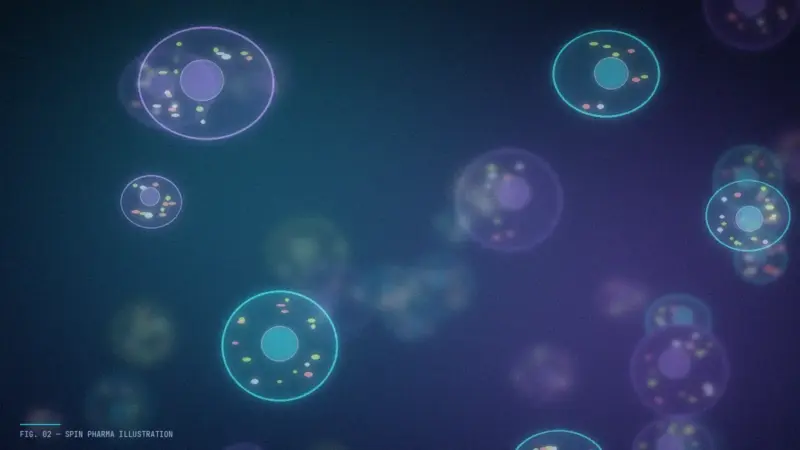
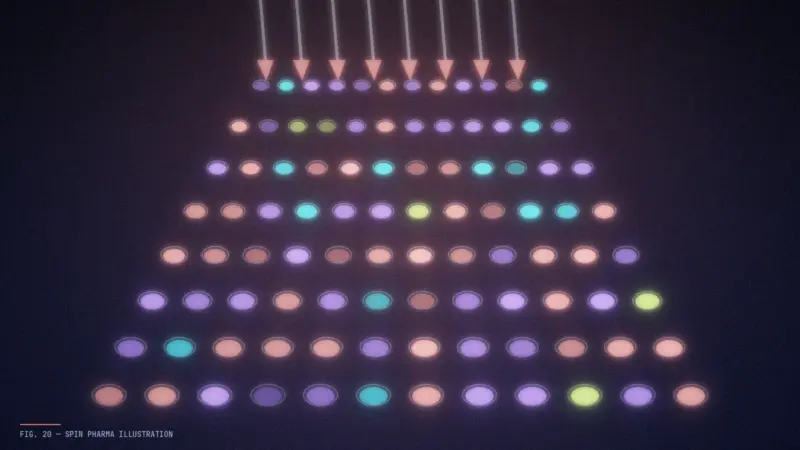
Original illustration — speculative and artistic, not a depiction of a real device, patient or result.
What exists today
Some screening programmes already look for cancer before symptoms. Established examples include mammography for breast cancer, colonoscopy and stool tests for colorectal cancer, cervical screening, and low-dose CT for people at high risk of lung cancer. Each is recommended for specific age and risk groups rather than everyone. Newer blood tests, sometimes called multi-cancer detection tests, look for fragments of tumour DNA or related signals in the bloodstream. Some are available in certain places, often outside routine screening recommendations. Whether they reduce deaths from cancer, rather than simply detect more cancers, is the question researchers are still working to answer.
What has been demonstrated
Randomised trials have shown that certain screening approaches can reduce deaths from specific cancers. The US National Lung Screening Trial, for example, found fewer lung cancer deaths among high-risk people screened with low-dose CT than among those screened with chest X-rays. For multi-cancer blood tests, prospective studies such as PATHFINDER have shown that the tests can detect some cancers, including types with no standard screening, in people without symptoms. The same study also showed that many positive signals did not turn out to be cancer, and that working out where a suspected cancer is can take several follow-up tests.
What remains difficult
A screening test has to be judged across huge numbers of healthy people, so even a small false-positive rate produces many anxious patients and follow-up procedures, some of which carry their own risks. Overdiagnosis is another trap: some cancers found by screening would never have caused symptoms, yet once found they are often treated. Earlier detection can also create an illusion of benefit, because diagnosing someone sooner makes survival from diagnosis look longer even if they do not live longer. That is why researchers insist on randomised trials that measure deaths from cancer, not just detection rates or stage at diagnosis.
What would change if it worked
If a test could reliably find dangerous cancers early, and if finding them early led to treatments that worked better, the effect could be large. Cancers that are usually discovered late, when options are limited, might more often be caught at a stage where surgery or other treatment could cure them. Screening might become simpler, perhaps a blood draw during a routine visit. But the benefit would depend on follow-up systems: imaging, biopsies and specialists able to handle many more investigations. It would also raise hard questions about cost, fairness of access and how to support people living with uncertain results.
What evidence would convince us
The gold standard would be large randomised controlled trials comparing people offered the test with people who are not, followed for years. The key measure would be deaths from cancer, or at least a well-validated shift away from late-stage disease that is shown to translate into fewer deaths. Researchers would also want to see rates of false positives, overdiagnosis and harms from follow-up procedures. NCI's Vanguard Study is designed to help work out whether such large trials are feasible. Results that hold across different ages, ethnic groups and healthcare systems would be far more convincing than impressive numbers from a single company-run study.
A new blood test claims to find many cancers early, but it has not yet been shown to reduce cancer deaths. What would you want to know first?
Polls measure reader opinion for fun and discussion. They are not scientific evidence.
Is knowing more always better? How would you weigh the relief of early detection against the worry and procedures caused by false alarms?
Try it hands-on:
Play Breakthrough Reality Check →Related reporting
 AI + Medicine
Can AI Spot Cancer Earlier? Where Imaging Helps and Where False Alarms Matter
In breast screening, AI support has been tested in a randomized trial of more than 100,000 women and a real-world study of 460,000. The results are promising, but false alarms, overdiagnosis and deskilling still matter.
 Cancer Frontiers
The New Cancer Toolkit: Immunotherapy, Targeted Drugs, Cell Therapy, and Precision Oncology
Targeted drugs, checkpoint inhibitors, CAR-T cells and biomarker testing have joined surgery, radiation and chemotherapy. Each works differently, helps some patients dramatically and others not at all.
 Breakthroughs
The Breakthrough Reality Check: Seven Questions to Ask Before Sharing a Medical Headline
Health headlines often overstate early findings, sometimes before a journalist ever sees them. These seven questions help anyone judge a medical claim in about two minutes before sharing it.