The future of medicine is moving. Follow the spin.
Evidence-first reporting on biotech, AI, genomics, medtech, cancer research and longevity — with every experiment, trial and approval labelled for exactly what it is.
The big breakthrough
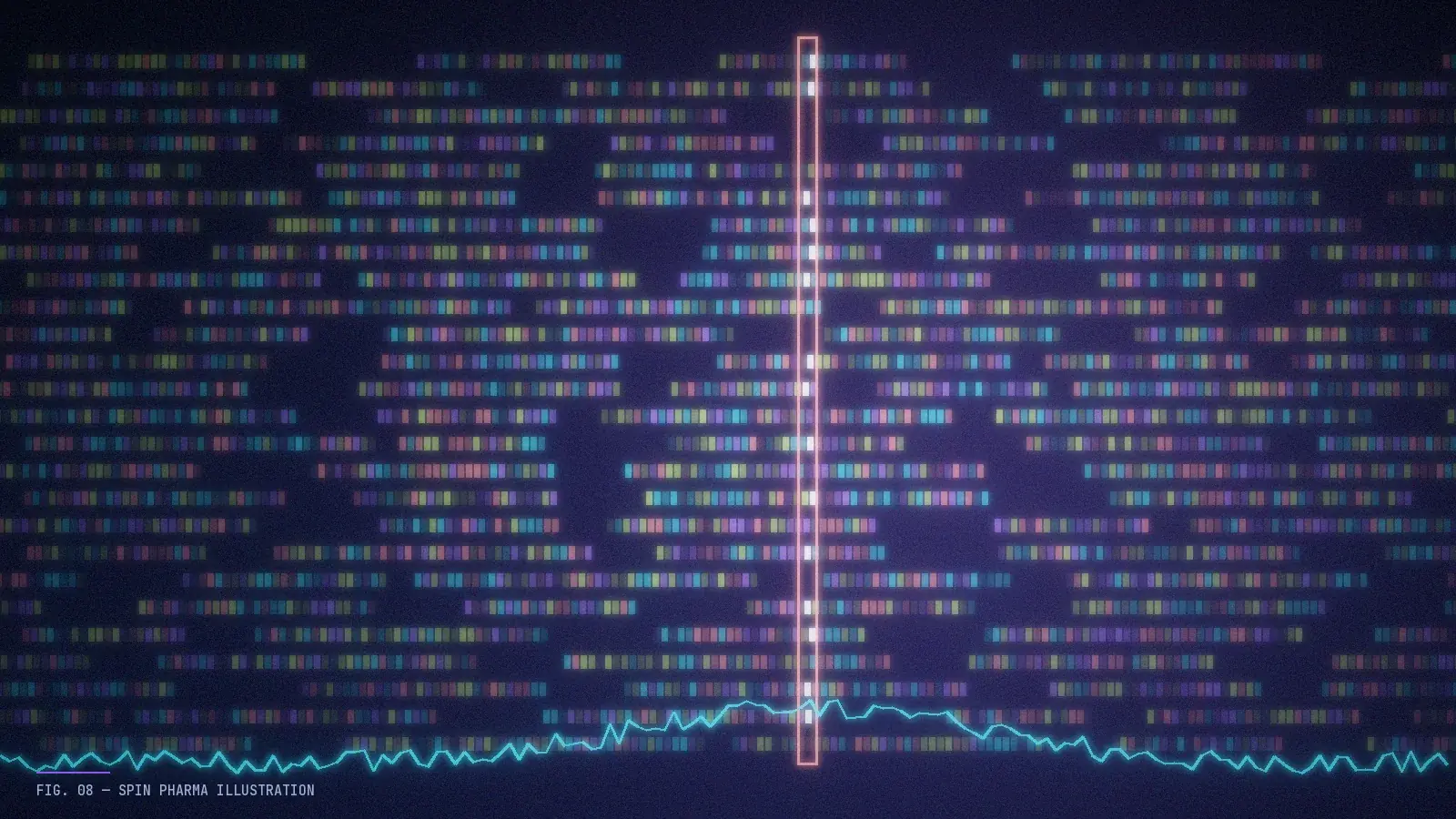
Gene Editing, Gene Therapy, and RNA Medicines: Three Different Ways to Change an Outcome
The FDA's approval of Casgevy, the first CRISPR-based medicine, is a vantage point on three distinct strategies for rewriting biology—and the hard problems still ahead.
Latest from the frontier
 Cancer Frontiers
The New Cancer Toolkit: Immunotherapy, Targeted Drugs, Cell Therapy, and Precision Oncology
Targeted drugs, checkpoint inhibitors, CAR-T cells and biomarker testing have joined surgery, radiation and chemotherapy. Each works differently, helps some patients dramatically and others not at all.
 AI + Medicine
Can AI Spot Cancer Earlier? Where Imaging Helps and Where False Alarms Matter
In breast screening, AI support has been tested in a randomized trial of more than 100,000 women and a real-world study of 460,000. The results are promising, but false alarms, overdiagnosis and deskilling still matter.
 AI + Medicine
AI Drug Discovery: What Happens Between a Promising Molecule and a Medicine?
AI now helps find drug targets, predict protein shapes and design molecules. But most drugs fail in clinical trials because they don't work well enough or are too toxic, and AI hasn't yet shown it can change that.
 Breakthroughs
A Drug That Works in Cells Isn’t a Cure: How to Read a Biotech Breakthrough
Killing diseased cells in a dish is the easy part of drug development. This guide explains the evidence ladder, why most candidates fail, and seven questions to ask before believing a breakthrough headline.
 Genome + Cells
Decode the Genome: What Sequencing Can Tell Us—and What It Cannot
From the $3 billion Human Genome Project to routine sequencing, reading DNA has become easy. Here is what a genome can reveal today, and where uncertain variants, risk scores and missing context set hard limits.
 Longevity
The Cell Health Frontier: Senescence, Mitochondria, and the Search for Better Healthspan
Some problems of ageing may start inside individual cells. This explainer tours senescence and mitochondria, from striking mouse results to small, mixed human trials, and explains why no therapy is yet approved to treat ageing.
What’s in the pipeline
Selected therapies and technologies at every stage, from preclinical research to approval. Each stage is dated and linked to a primary source.
Stages summarise the most advanced publicly documented status for the named use. “Approved” applies to specific indications and regions only. Nothing here is medical or investment advice.
Companies to know
A mix of listed companies and private startups. Profiles describe science and pipeline stage — they are informational, not investment advice.
Vertex Pharmaceuticals
Nasdaq: VRTXVertex develops small-molecule and genetic medicines for serious diseases and is best known for its cystic fibrosis drugs. It co-developed Casgevy, the…
CRISPR Therapeutics
Nasdaq: CRSPCRISPR Therapeutics is a gene-editing company that co-developed Casgevy with Vertex. Its clinical pipeline includes in vivo editing programs for cardiovascular targets…
insitro
Not publicly tradedinsitro, founded by Daphne Koller, combines machine learning with human cellular data to identify disease drivers and design drug candidates. It has…
Moderna
Nasdaq: MRNAModerna develops mRNA medicines and markets vaccines against COVID-19 and RSV. With Merck, it is developing intismeran autogene, an individualized neoantigen mRNA…
Intuitive Surgical
Nasdaq: ISRGIntuitive makes the da Vinci robotic-assisted surgical systems used in minimally invasive procedures. Its fifth-generation platform, da Vinci 5, adds force-sensing instruments…
Altos Labs
Not publicly tradedAltos Labs studies cellular rejuvenation — resetting aspects of cell state to restore health and resilience. It has research sites in the…
Illumina
Nasdaq: ILMNIllumina makes DNA sequencing instruments, reagents and software used widely in research and clinical genomics. It acquired GRAIL in 2021 and separated…
Recursion Pharmaceuticals
Nasdaq: RXRXRecursion describes itself as a clinical-stage 'TechBio' company that combines automated biology and machine learning to find drug candidates. Its most advanced…
Company profiles and watchlists are informational. Scientific progress is not the same thing as investment performance, and a compelling technology never guarantees a rising stock.
Faster MRI, sharper images — and the real role of AI

Deep learning can rebuild MRI images from less data, cutting scan times. The gains are real, and so is the risk of convincing errors.

Is there a cure for cancer?
Cancer is not one disease. Some cancers are often cured today; others remain hard to control. The better question has three parts.
Inside the genome
The Lab asks

What if an MRI scan took a fraction of the time?
An MRI scan can mean lying still in a humming tunnel for a long stretch while the machine patiently collects signal. Engineers and AI researchers are asking how much of that data we actually need. The answer could change who gets scanned, how often, and…
Reader poll: If an AI-accelerated MRI were offered to you, what would matter most in deciding whether to accept it?
Healthspan, honestly
LongevityThe Cell Health Frontier: Senescence, Mitochondria, and the Search for Better Healthspan
Some problems of ageing may start inside individual cells. This explainer tours senescence and mitochondria, from striking mouse results to small, mixed human trials, and explains why no therapy is yet approved to treat ageing.
 Longevity
Can We Slow Aging? A Field Guide to Evidence, Hype, and Hard Questions
Longevity claims are everywhere, but human evidence is thin. This field guide sorts the most popular anti-ageing ideas by what has been shown in animals, what has been tested in people, and what nobody knows yet.
 Longevity
The Longevity Dashboard: Which Health Measures Are Useful, and Which Are Still Experimental?
Some longevity metrics, like blood pressure, are backed by decades of evidence and clear actions. Others, like consumer biological-age tests, are promising research tools whose meaning for individuals is not yet settled.
Play + learn
Drug Development Journey
From a hunch about biology to a medicine on the shelf

Breakthrough Reality Check
Five questions to ask before you share a headline

Watch and learn

How do cancer cells behave differently from healthy ones? – George Zaidan
An animated primer on what separates a cancer cell from a normal one, from uncontrolled division to evading the body's usual checks. Viewers also…

NCI Minute: CAR T-Cell Immunotherapy for Cancer Treatment
A short National Cancer Institute explainer on CAR T-cell therapy, in which a patient's own T cells are engineered to recognize and attack cancer.…

Checkpoint Inhibitors: Taking the Brakes Off the Immune System
Explains how tumors exploit immune 'checkpoints' to switch off T cells and how checkpoint-blocking drugs release those brakes. A useful foundation for understanding much…
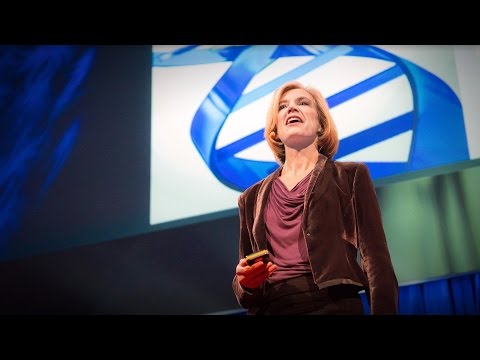
How CRISPR lets us edit our DNA | Jennifer Doudna
CRISPR co-inventor Jennifer Doudna describes how a bacterial immune system became a programmable tool for editing DNA. She also raises the ethical questions that…
Genetic Engineering Will Change Everything Forever – CRISPR
An animated overview of how genetic engineering developed and why CRISPR made editing DNA cheaper and more precise. It walks through potential medical uses…

How does an MRI machine work?
A plain-language look at the physics behind magnetic resonance imaging, from powerful magnets to radio pulses and hydrogen atoms in the body. Viewers come…
From our network
Related publications from the same publisher. They are part of our network — not independent authorities — so we list them separately from our research sources.
Network sites share a publisher (Mass Density, Inc.) with Spin Pharma.
The Spin Brief
One concise weekly roundup of what moved in medicine — what happened, what the evidence shows, and what to watch next. No hype, no stock tips.
- Five stories that mattered, each with its own Spin
- One stage change in the pipeline tracker, sourced
- One Lab question to think about
We use double opt-in: check your inbox to confirm. We never sell your address, and we never ask for health or genetic information.