CRISPR gene editing
A programmable molecular tool that cuts or changes DNA at a chosen address.
Maturity: Approved in some uses
How it works
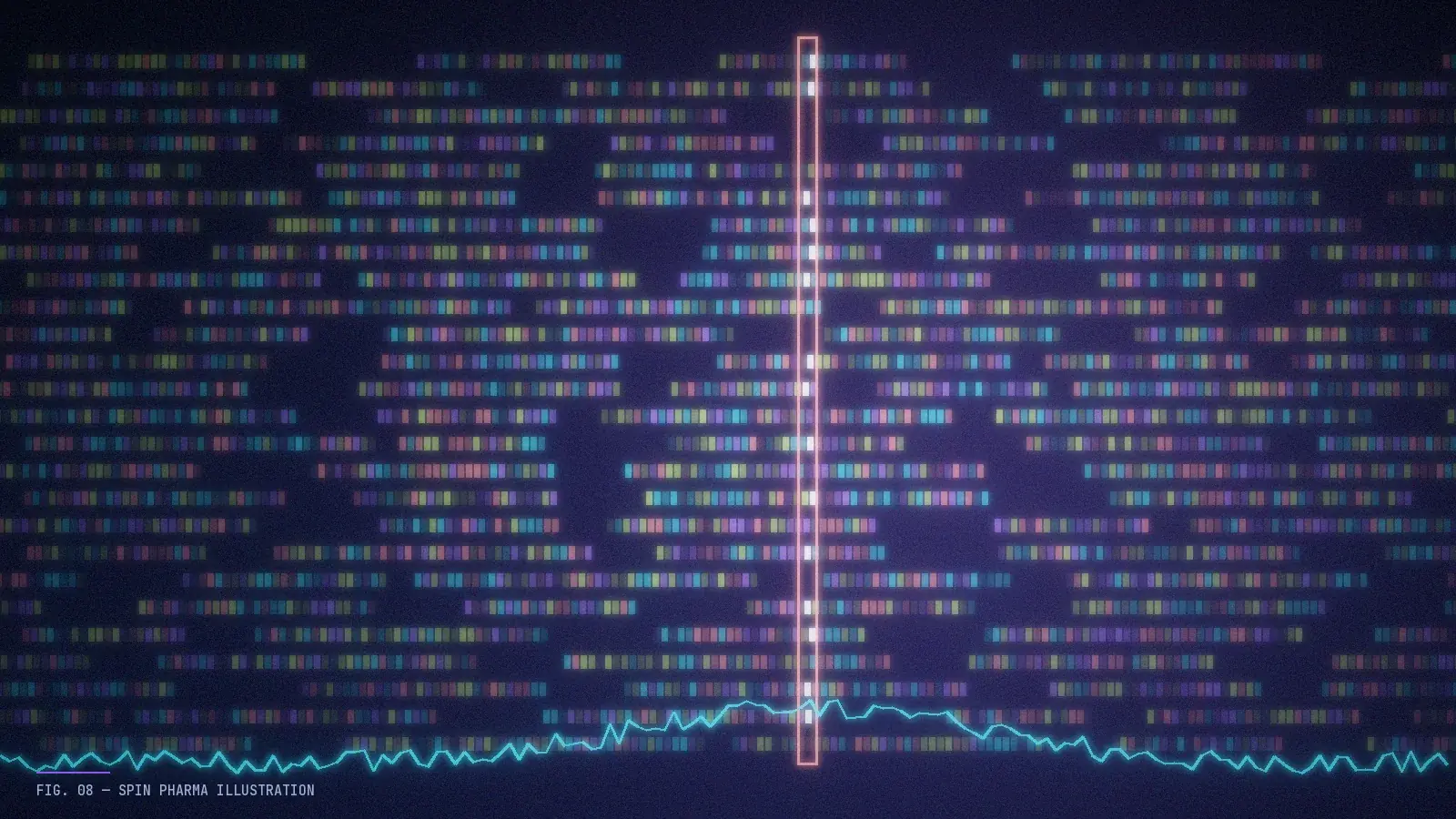
A guide RNA leads a Cas enzyme to a matching stretch of DNA, where it cuts. The cell’s own repair systems then disable a gene or, with newer base and prime editors, rewrite individual letters without a full double-strand break.
Why it matters
It can correct or bypass the cause of some inherited diseases in a single treatment. The first CRISPR-based medicine, Casgevy, was approved by the FDA in December 2023 for sickle cell disease.
Limits & open questions
Off-target edits, delivery to the right tissues, long-term safety follow-up, manufacturing complexity and very high costs all remain challenges. Current approved uses edit cells outside the body; in-body editing is still in trials.
Sources
- FDA approves first gene therapies to treat patients with sickle cell diseaseFDA · Regulatory · fda.gov