
Mid-term speculation
What if a digital twin helped researchers test treatment strategies?
A computer model of a patient could let researchers ask 'what if?' without the risk. How close are we?
A computer model of a patient could let researchers ask 'what if?' without the risk. How close are we?
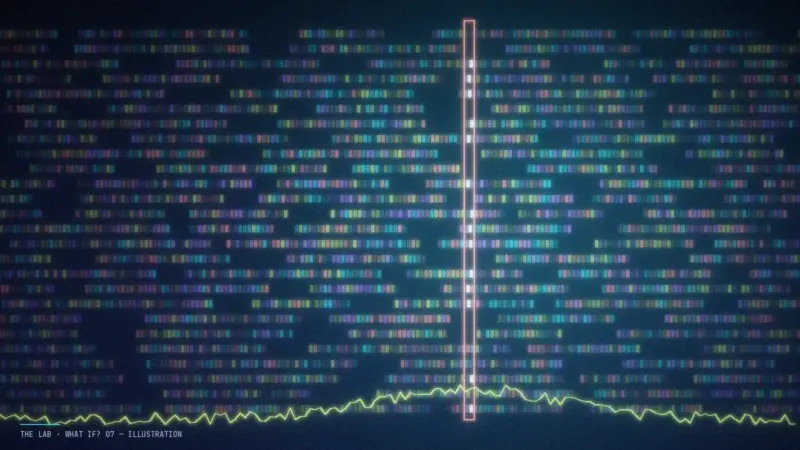
Sometimes it already does. The trick is knowing when a genetic result is truly useful.
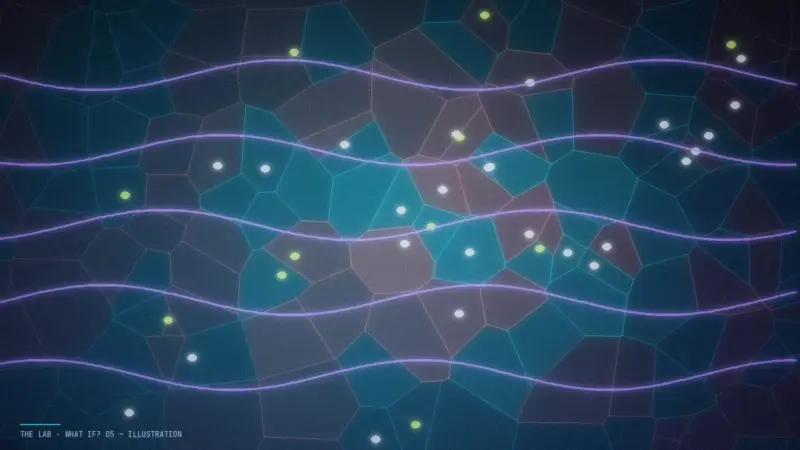
Printing shapes is easy. Printing tissue that lives, breathes and connects is not.
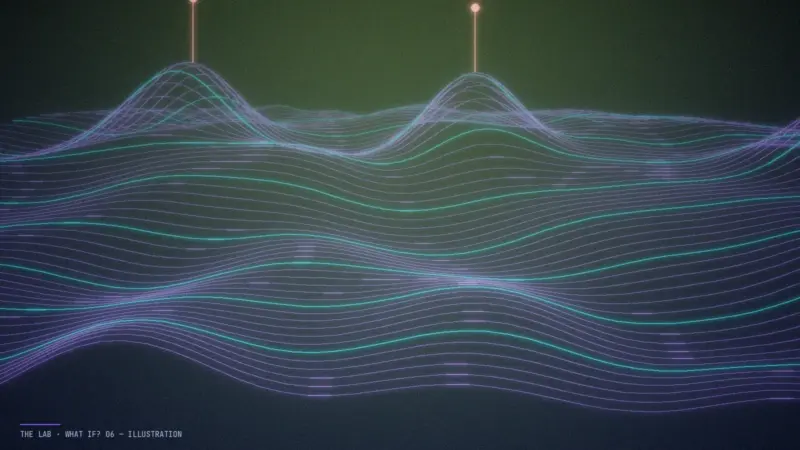
Your birthday says one thing. Your cells might say another. What could a doctor do with that?
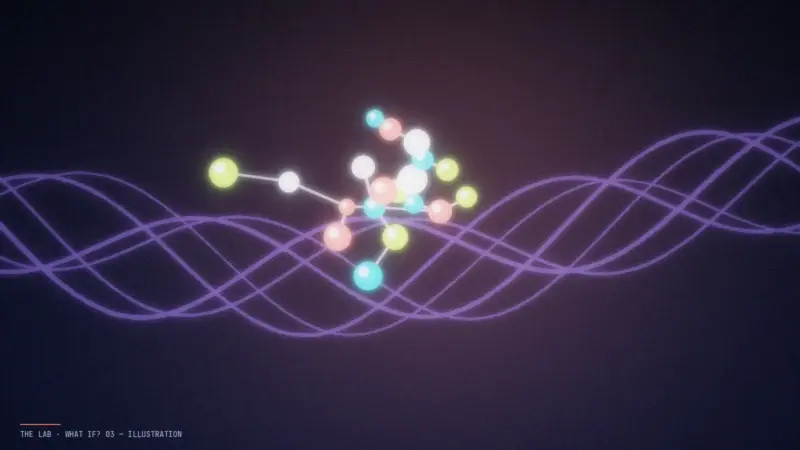
Every tumour carries its own mutations. Could a treatment be built to match them?
AI can sift biology faster than any lab. Finding a target is the start of the story, not the end.
Finding cancer earlier sounds like pure good news. The details are more interesting.

Shorter scans could mean less time lying still in a loud tube — and more people scanned per day.
 AI + Medicine
Personalized computer models of the heart and in-silico trials are already used in research and regulation. Scaling them into a living digital twin for every patient raises hard questions of biology, validation and trust.