3D bioprinting
Printing living cells and supportive gels layer by layer into tissue-like structures.
Maturity: Research
How it works
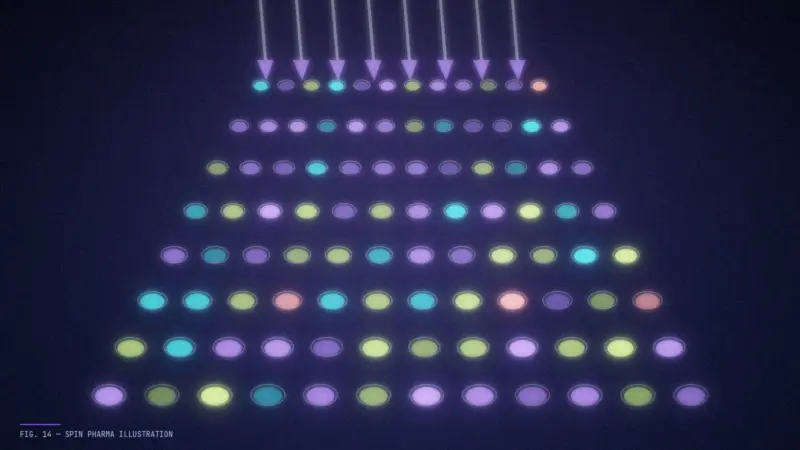
A printer deposits “bio-inks” — cells suspended in hydrogels — in precise patterns, sometimes with channels intended to become blood vessels.
Why it matters
Printed tissues are used in research and drug testing, and early human studies have explored simple implanted structures.
Limits & open questions
Building functional blood vessels, reaching the cell density of real organs and proving long-term safety are major unsolved problems. No printed solid organ has been transplanted into a person.