Longevity
Aging biology, healthspan, clinical evidence and interventions under study — with an honest line between hype and evidence.

The Longevity Dashboard: Which Health Measures Are Useful, and Which Are Still Experimental?
From blood-pressure cuffs to epigenetic clocks, people now track dozens of numbers hoping to live longer. A field guide to which measures have the evidence behind them.
Latest in Longevity
 Longevity
The Cell Health Frontier: Senescence, Mitochondria, and the Search for Better Healthspan
Some problems of ageing may start inside individual cells. This explainer tours senescence and mitochondria, from striking mouse results to small, mixed human trials, and explains why no therapy is yet approved to treat ageing.
 Longevity
Can We Slow Aging? A Field Guide to Evidence, Hype, and Hard Questions
Longevity claims are everywhere, but human evidence is thin. This field guide sorts the most popular anti-ageing ideas by what has been shown in animals, what has been tested in people, and what nobody knows yet.
Hype vs. evidence

Can We Slow Aging? A Field Guide to Evidence, Hype, and Hard Questions
Rapamycin, metformin, NAD+ boosters, senolytics, calorie restriction and young plasma: what the evidence actually shows, and what remains unknown.
From The Lab

What if measuring biological age became clinically useful?
Your birthday says one thing. Your cells might say another. What could a doctor do with that?
Watch and learn
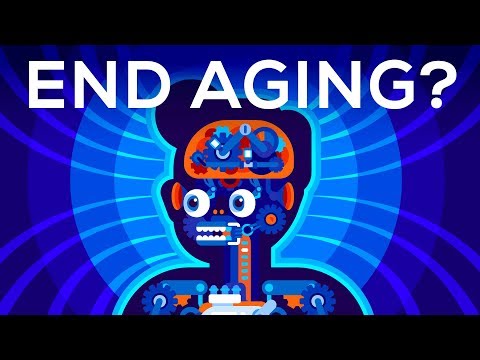
Why Age? Should We End Aging Forever?
An animated explanation of the cellular processes thought to drive aging, including DNA damage, telomere shortening and senescent cells. It also looks at the…
Explore other frontiers
The Spin Brief
One concise weekly roundup of what moved in medicine — what happened, what the evidence shows, and what to watch next. No hype, no stock tips.
- Five stories that mattered, each with its own Spin
- One stage change in the pipeline tracker, sourced
- One Lab question to think about
We use double opt-in: check your inbox to confirm. We never sell your address, and we never ask for health or genetic information.