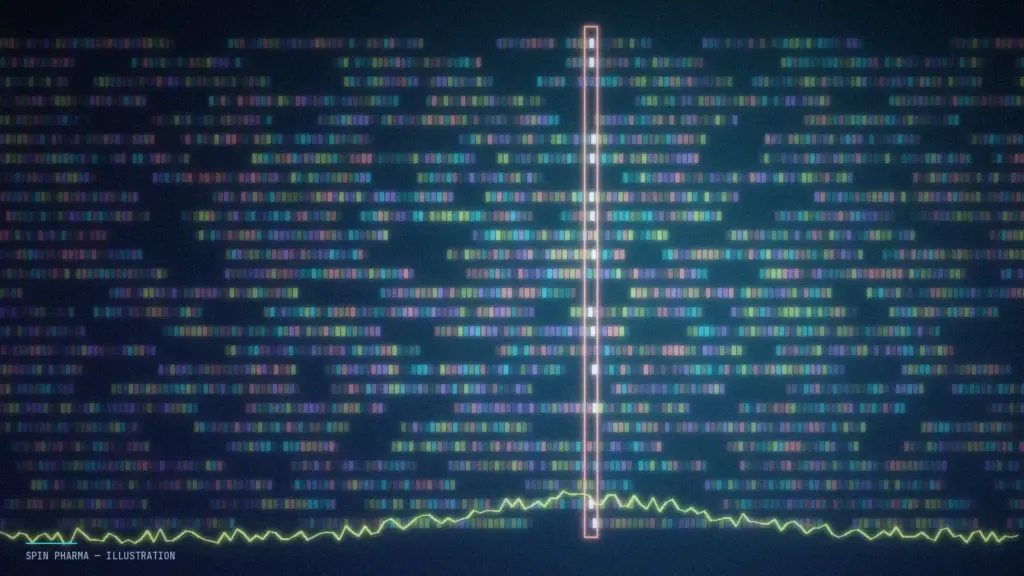
Genome + Cells
Sequencing, gene editing, gene therapy, epigenetics, cell therapies — and what genomic data can and cannot tell us.
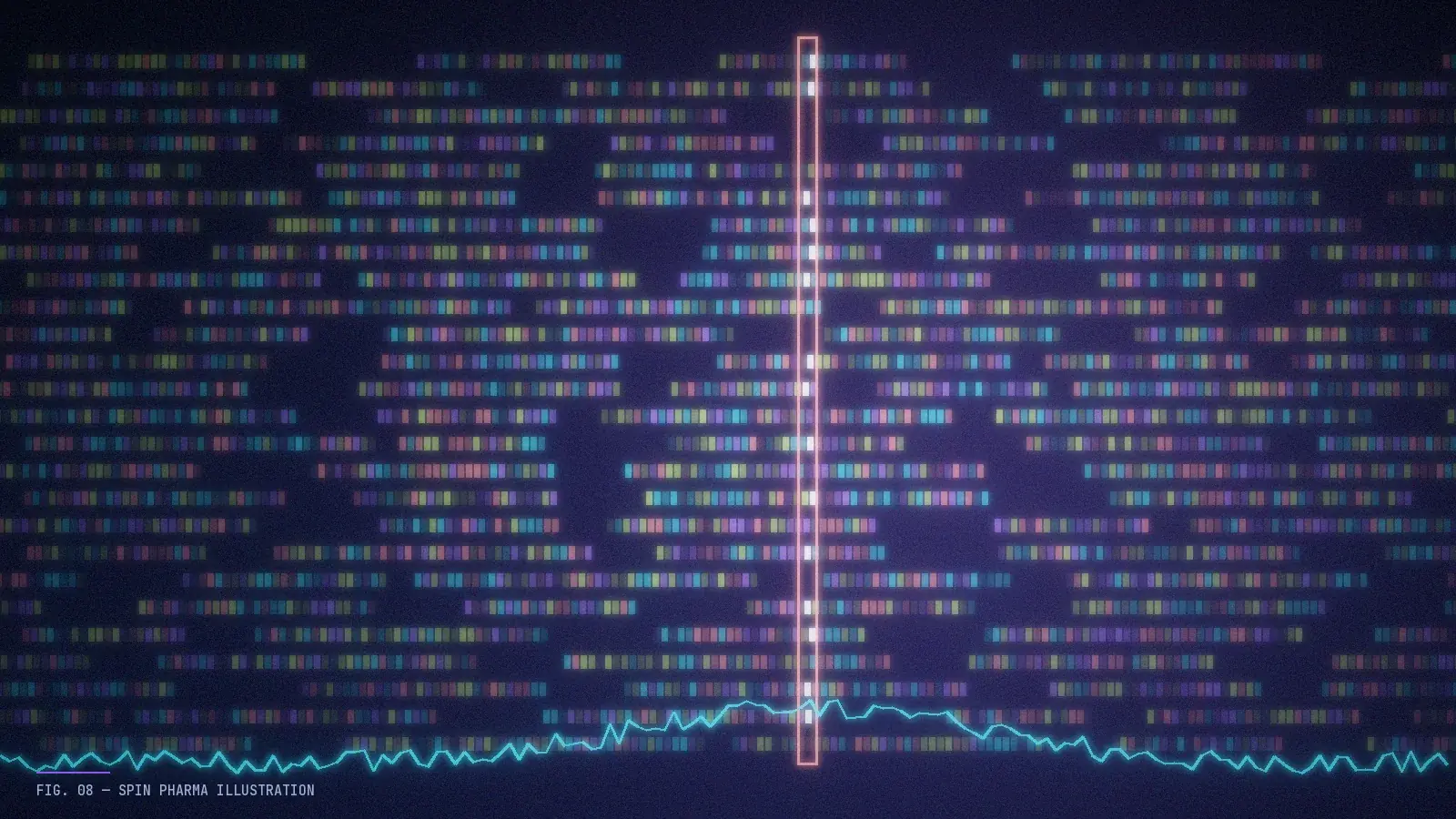
Gene Editing, Gene Therapy, and RNA Medicines: Three Different Ways to Change an Outcome
The FDA's approval of Casgevy, the first CRISPR-based medicine, is a vantage point on three distinct strategies for rewriting biology—and the hard problems still ahead.
Latest in Genome + Cells
 Genome + Cells
Decode the Genome: What Sequencing Can Tell Us—and What It Cannot
From the $3 billion Human Genome Project to routine sequencing, reading DNA has become easy. Here is what a genome can reveal today, and where uncertain variants, risk scores and missing context set hard limits.
 Longevity
The Cell Health Frontier: Senescence, Mitochondria, and the Search for Better Healthspan
Some problems of ageing may start inside individual cells. This explainer tours senescence and mitochondria, from striking mouse results to small, mixed human trials, and explains why no therapy is yet approved to treat ageing.
 DeepTech + MedTech
Bioprinting Human Tissue: What Works in the Lab, and What Would It Take to Reach Patients?
No bioprinted solid organ has been transplanted into a person, but bioprinting has produced striking lab and animal results. Here is what works today, what has reached early human testing, and what still stands in the way.
 DeepTech + MedTech
Organoids and Lab-Grown Models: Could They Improve How We Test Treatments?
Organoids and organ-on-a-chip systems let researchers test drugs on human tissue models before people. The early evidence is promising but specific, and the models still miss much of real human biology.
Inside the genome
From The Lab

What if a therapy were designed around one person’s tumor?
Every tumour carries its own mutations. Could a treatment be built to match them?

What if your genome could help select a treatment?
Sometimes it already does. The trick is knowing when a genetic result is truly useful.
Watch and learn

NCI Minute: CAR T-Cell Immunotherapy for Cancer Treatment
A short National Cancer Institute explainer on CAR T-cell therapy, in which a patient's own T cells are engineered to recognize and attack cancer.…

How CRISPR lets us edit our DNA | Jennifer Doudna
CRISPR co-inventor Jennifer Doudna describes how a bacterial immune system became a programmable tool for editing DNA. She also raises the ethical questions that…
Genetic Engineering Will Change Everything Forever – CRISPR
An animated overview of how genetic engineering developed and why CRISPR made editing DNA cheaper and more precise. It walks through potential medical uses…
Explore other frontiers
The Spin Brief
One concise weekly roundup of what moved in medicine — what happened, what the evidence shows, and what to watch next. No hype, no stock tips.
- Five stories that mattered, each with its own Spin
- One stage change in the pipeline tracker, sourced
- One Lab question to think about
We use double opt-in: check your inbox to confirm. We never sell your address, and we never ask for health or genetic information.