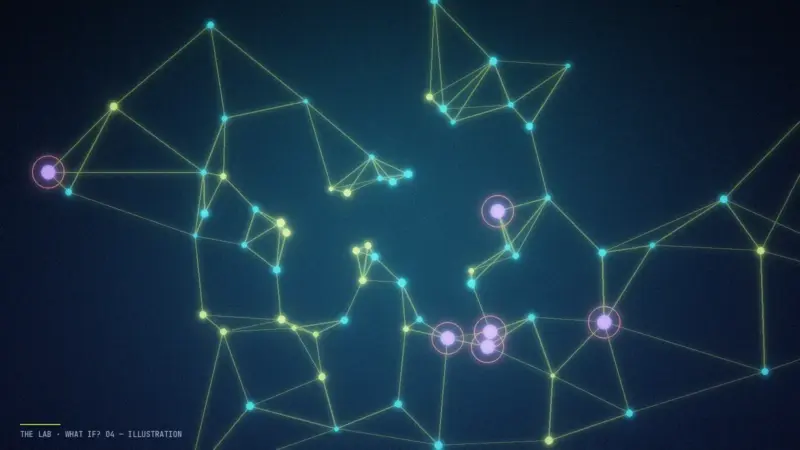
What if a therapy were designed around one person’s tumor?
Cancer is not one disease, and even two tumours of the same type can be genetically very different. Scientists are experimenting with treatments tailor-made from a single patient's tumour. It is one of the most exciting — and most demanding — ideas in cancer research.
⚠ This is a thought experiment. It explores a possibility; it does not report a result.
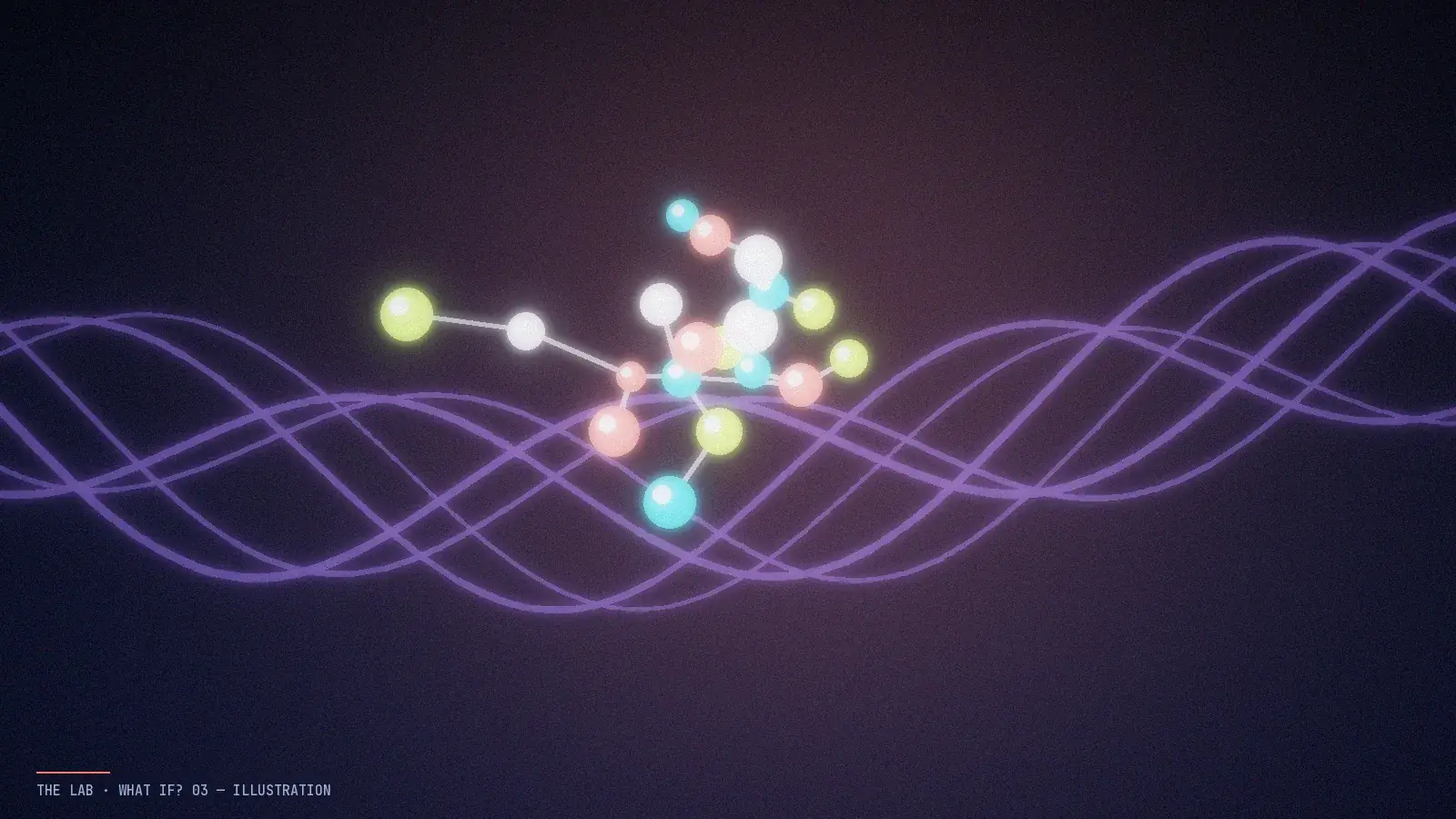
Original illustration — speculative and artistic, not a depiction of a real device, patient or result.
What exists today
Personalised elements are already part of cancer care. Tumours are routinely tested for specific genetic changes that predict whether a targeted drug is likely to help. CAR-T cell therapy, approved for certain blood cancers, takes a patient's own immune cells, engineers them in a lab to recognise cancer, and infuses them back. That makes each treatment batch unique to one person, though the target itself is shared across patients. Fully individualised treatments, such as vaccines built from the unique mutations in one person's tumour, are still experimental and are being tested in clinical trials rather than offered as standard care.
What has been demonstrated
Tumours carry mutations that create abnormal protein fragments called neoantigens, which the immune system can potentially recognise as foreign. In a small early-phase trial in pancreatic cancer published in Nature in 2023, researchers made an individual mRNA vaccine for each patient based on their tumour's neoantigens. About half of the patients mounted strong immune responses, and those responders tended to stay free of recurrence for longer. In melanoma, a randomised mid-stage trial combining a personalised mRNA vaccine with an immune checkpoint drug reported fewer recurrences than the checkpoint drug alone. Larger confirmatory trials are needed and are under way.
What remains difficult
Making a medicine for one person is hard. The tumour must be sampled and sequenced, the right targets predicted by computer, the product manufactured and quality-checked, and all of this done quickly enough to matter for someone with a serious illness. Predicting which neoantigens the immune system will actually respond to remains imperfect. Tumours evolve and can lose the targets a vaccine aims at. Regulators are used to testing one product given to many people, so assessing a process that makes a different product each time raises new questions. Cost and manufacturing capacity could limit who benefits even if the approach works.
What would change if it worked
If individualised therapies proved safe and effective, cancer treatment could shift from choosing among a menu of existing drugs toward designing a response for each patient. It might be particularly valuable after surgery, to reduce the chance of cancer returning, or for tumours with few standard options. The approach could also push hospitals to sequence tumours more routinely and to build faster manufacturing links with labs. It would not replace surgery, radiation or chemotherapy overnight; most likely it would be combined with them. And for tumours with very few mutations, there may be fewer targets to work with.
What evidence would convince us
The most convincing evidence would come from large randomised trials comparing standard treatment with standard treatment plus the individualised therapy, measuring outcomes that matter to patients: whether cancer comes back, and how long people live. Consistent results across more than one cancer type and more than one research group would strengthen the case. It would also help to understand why some patients respond and others do not, ideally with a biomarker that predicts benefit. Reliable manufacturing timelines, safety data from many patients, and evidence that the approach can work outside a handful of specialist centres would all be needed before it becomes routine.
Which challenge do you think will matter most for one-person cancer therapies?
Polls measure reader opinion for fun and discussion. They are not scientific evidence.
If a treatment is made uniquely for one person, how should we decide whether it 'works' — and who should pay for it?
Try it hands-on:
Play Decode a Genome →Related reporting
 Cancer Frontiers
The New Cancer Toolkit: Immunotherapy, Targeted Drugs, Cell Therapy, and Precision Oncology
Targeted drugs, checkpoint inhibitors, CAR-T cells and biomarker testing have joined surgery, radiation and chemotherapy. Each works differently, helps some patients dramatically and others not at all.
 Genome + Cells
Gene Editing, Gene Therapy, and RNA Medicines: Three Different Ways to Change an Outcome
In December 2023 the FDA approved Casgevy, the first CRISPR-based therapy, for sickle cell disease. Here is how gene editing, gene therapy and RNA medicines differ, and what that approval does and doesn't prove.
 Cancer Frontiers
Is There a Cure for Cancer? The Better Question Is: Which Cancer, at What Stage, and With Which Treatment?
Cancer is more than 100 diseases, and whether one can be cured depends on its type, its stage and the treatments that can reach it. Here is what doctors mean by cure, remission and “no evidence of disease.”